
Safe. Efficient. Purpose-Built for Healthcare. How AOTINGBOTS' Waterless Cleaning Robot Solves High-Frequency Hospital Cleaning Challenges
Time:2026-08-24Author:AOTING BOTS
Cleaning in healthcare environments demands more than spotless floors. It requires safe, quiet, and efficient operation without disrupting daily hospital activities.
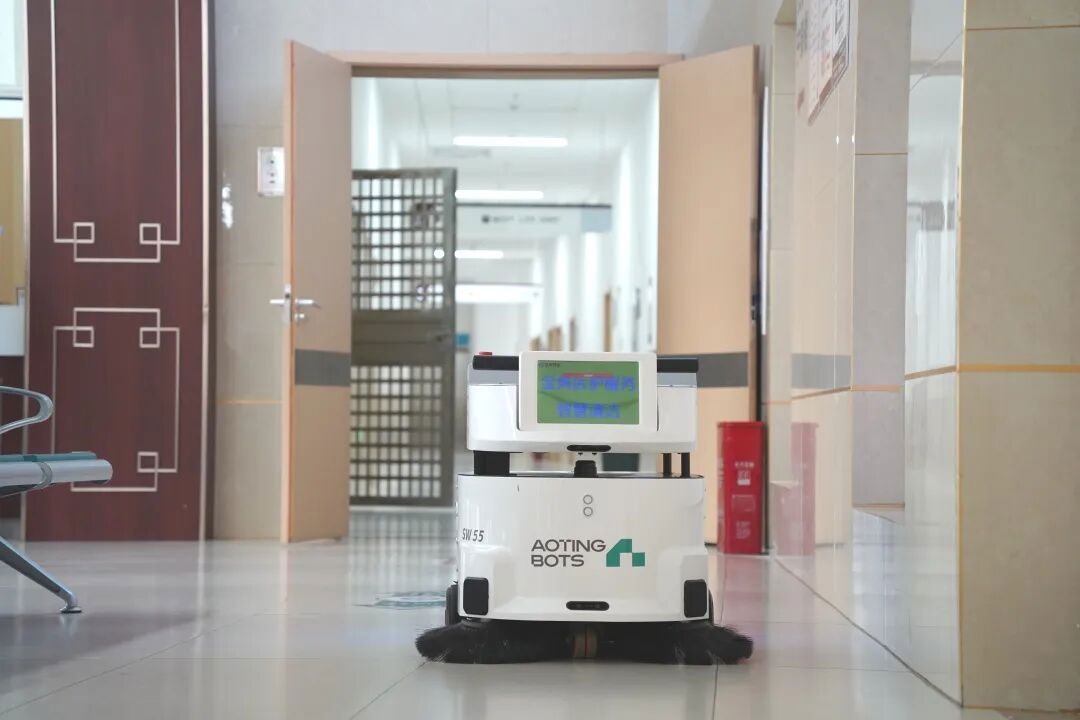
Built on AOTINGBOTS' waterless cleaning technology, the SW55 A combines intelligent navigation, obstacle avoidance, and automated task management to better meet the operational needs of modern hospitals.
In busy outpatient lobbies, traditional cleaning often relies on frequent manual patrols, repeated sweeping, and wet mopping—resulting in high labor demands, limited cleaning windows, and potential disruption to patient traffic.
How can hospitals maintain high-frequency cleaning while minimizing the impact on daily operations?
01 | Waterless Cleaning Innovation
Eliminating the Risks of Wet Mopping
Compared with traditional wet cleaning, waterless cleaning delivers improvements in safety, hygiene, and operational efficiency.
Reduced Slip Hazards Wet floors require drying time after mopping, increasing the risk of slips in high-traffic areas. Waterless cleaning eliminates waiting time, making it better suited for continuously occupied hospital spaces.
Lower Risk of Cross-Contamination
Without generating or handling wastewater, and with less reliance on wet mops, the cleaning process reduces potential sources of secondary contamination.
Designed for High-Frequency Operations
Without frequent water refilling or wastewater disposal, cleaning schedules can be deployed more flexibly across different hospital zones and time periods.
02 | Four-in-One Cleaning Performance
Comprehensive Dust and Debris Control
Visible debris is only part of the challenge—fine dust matters just as much.
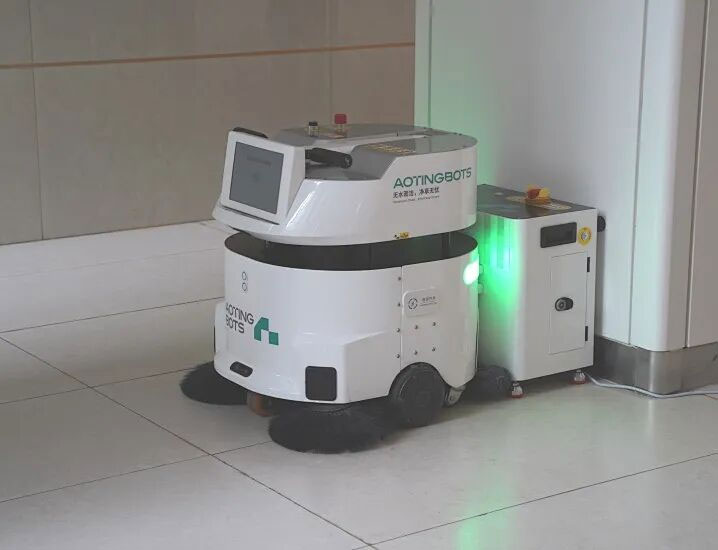
The SW55 A features dual main brushes and dual side brushes that work together to guide debris into the robot's collection system. Combined with an integrated vacuum system, it helps control dust during operation and reduces the spread of fine particles throughout the environment.
From visible debris to fine dust, the SW55 A delivers more consistent and comprehensive daily floor cleaning for healthcare facilities.
03 | Intelligent Navigation and Obstacle Avoidance
Adapting to Dynamic Hospital Traffic
Effective autonomous cleaning is not just about moving—it is about sensing, deciding, and responding.
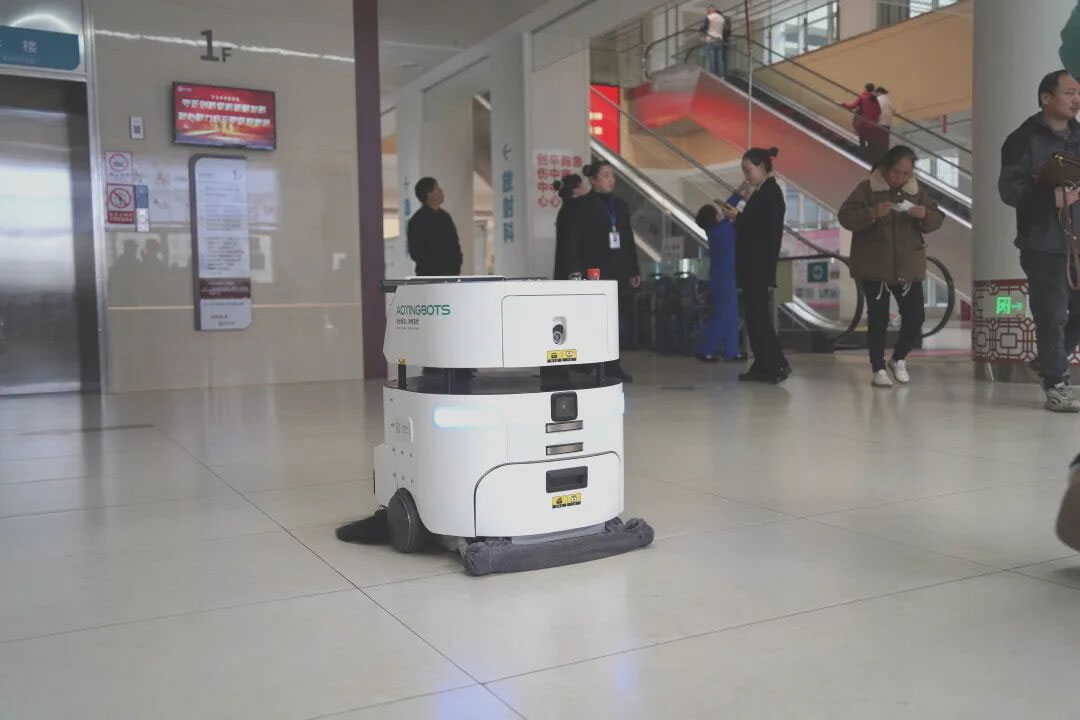
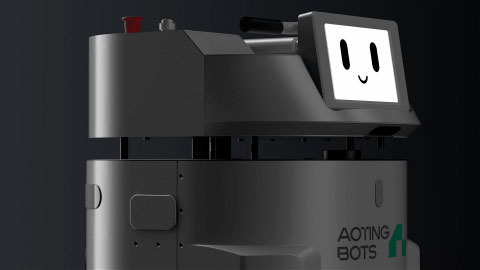
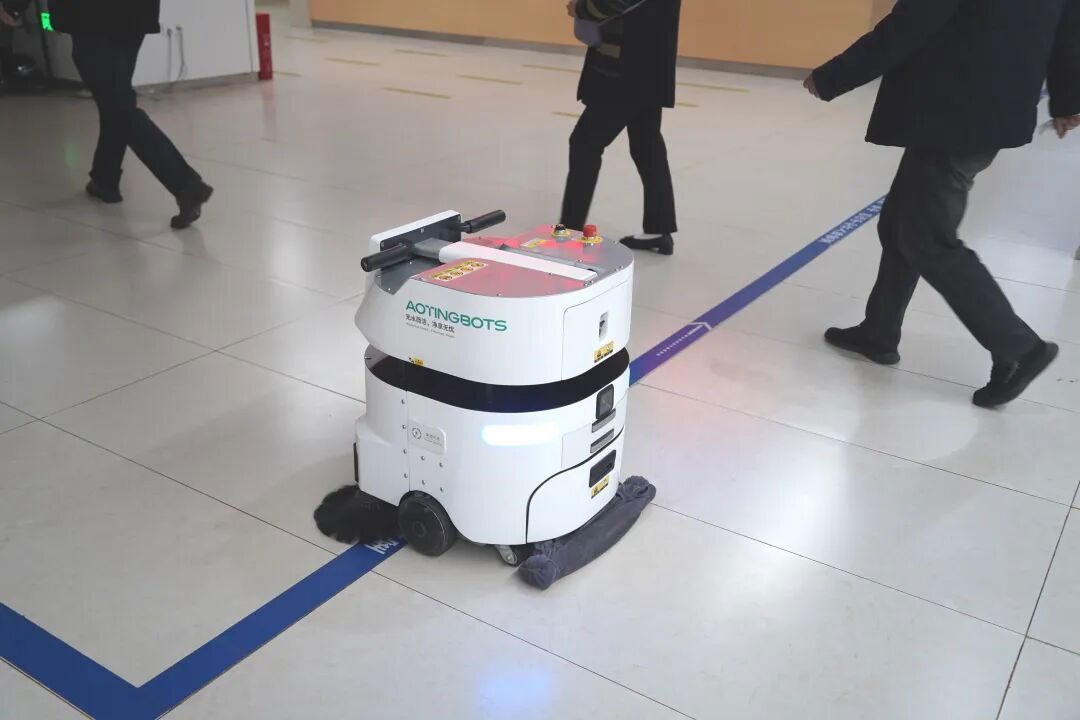
Throughout operation, patients, healthcare staff, and medical equipment can appear unexpectedly along the cleaning route. Equipped with intelligent navigation and obstacle avoidance, the SW55 A autonomously plans cleaning paths and adjusts its route in real time to safely navigate around people and obstacles, allowing cleaning to adapt to the pace of hospital operations.
04 | Multi-Floor Operation
Expanding Cleaning Coverage Across Hospital Facilities
Hospitals typically feature multiple floors, complex layouts, and diverse traffic flows, making cleaning tasks more distributed and challenging.
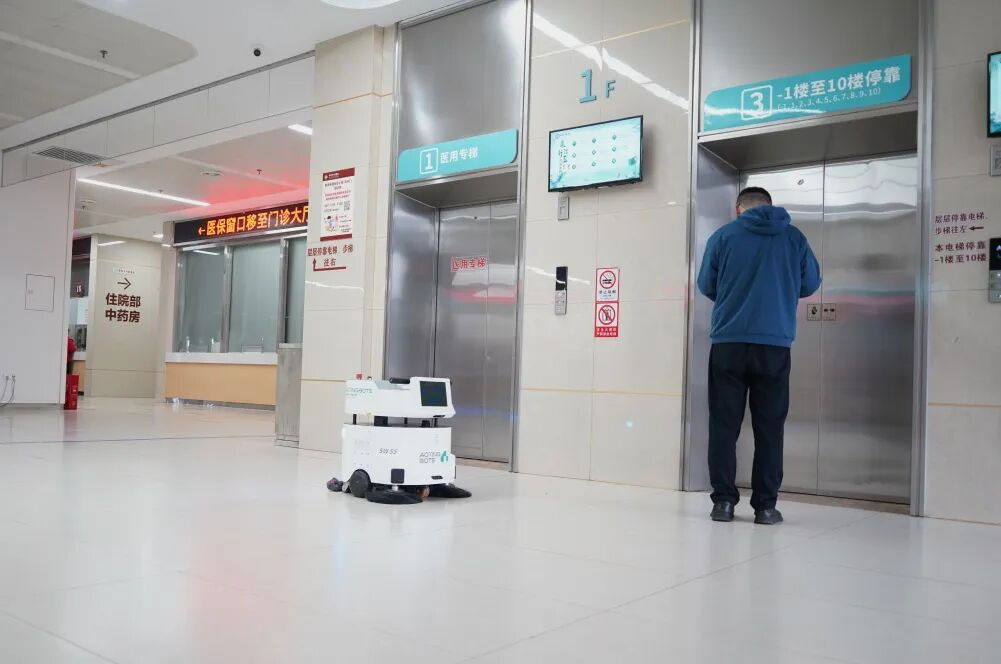
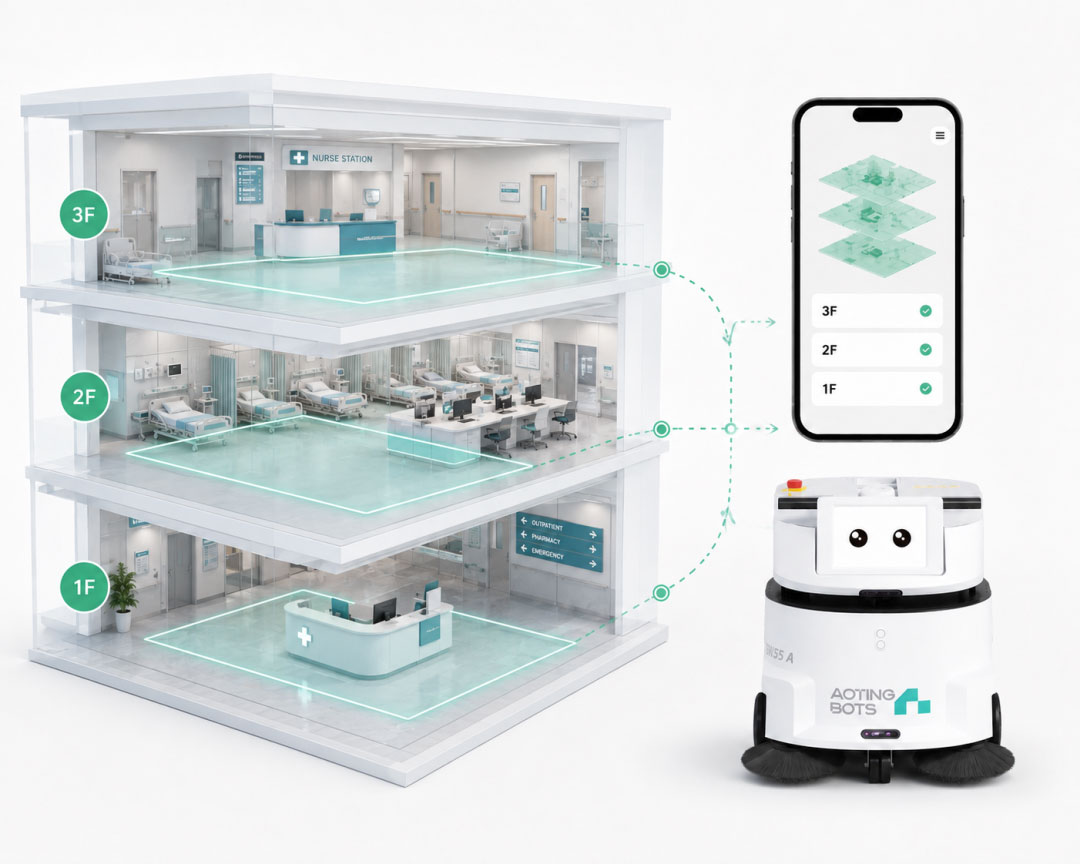
Based on project requirements, the SW55 A can operate across multiple floors through integrated elevator access, extending cleaning coverage throughout the facility. From outpatient lobbies and public corridors to different floors and functional areas, the robot executes scheduled cleaning plans automatically, reducing the management burden associated with frequent equipment and personnel deployment.
05 | Human-Robot Collaboration in Practice
A Smarter Cleaning Approach Designed for Hospitals
Powerful hardware creates greater value when it integrates seamlessly into existing facility management workflows.
Together with our partner, Dongyuan Renzhi Services Group, AOTINGBOTS has helped develop a hospital-focused intelligent cleaning solution tailored to the complexities of healthcare environments.
Rather than replacing cleaning staff, the solution integrates the SW55 A into day-to-day property management operations, creating a collaborative human-plus-robot workflow.
The robot takes over high-frequency, repetitive floor cleaning in areas such as outpatient lobbies and public corridors, while cleaning professionals focus on deep cleaning, edge work, and on-site operational management.
Following deployment, cleaning response speed and coverage frequency increased by approximately 50%, supporting safer hospital operations, higher cleaning efficiency, and optimized labor allocation—providing a practical reference for intelligent cleaning in healthcare facilities.
Looking Ahead
Driven by the real-world needs of healthcare environments, AOTINGBOTS will continue exploring new possibilities for intelligent cleaning in hospitals, delivering safer, smarter, and more efficient cleaning solutions for the future of healthcare.
